GEOTECHNICALENGINEERING1
FRESNO

Geotechnical Engineering in Fresno

Sound ground. Sound decisions.

LEARN MORE

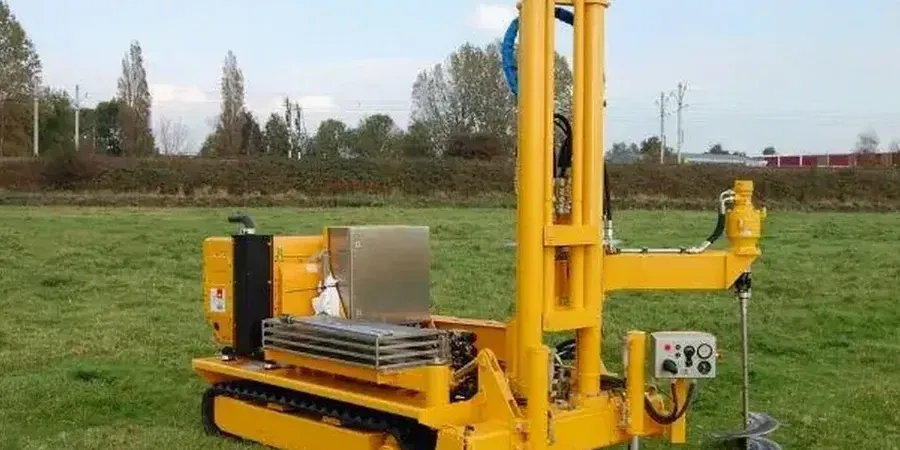
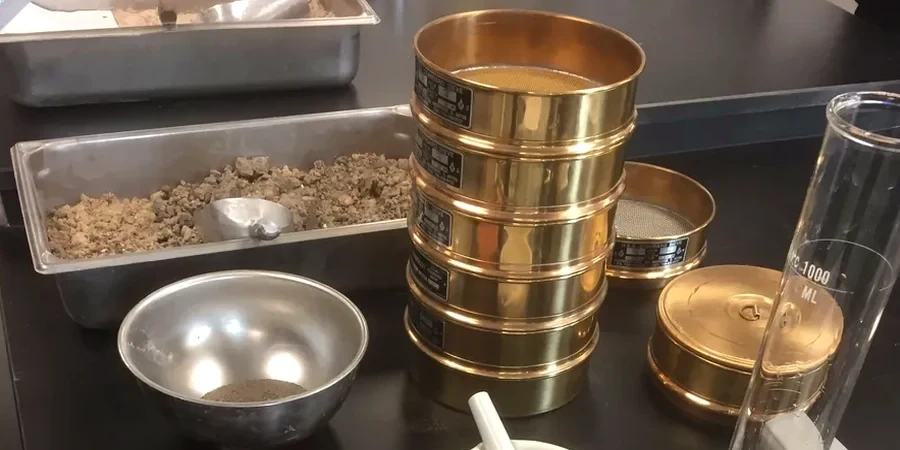
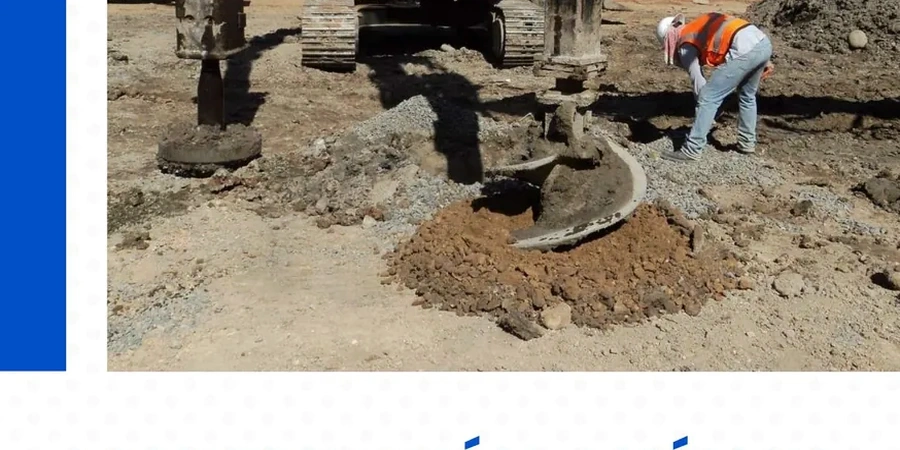
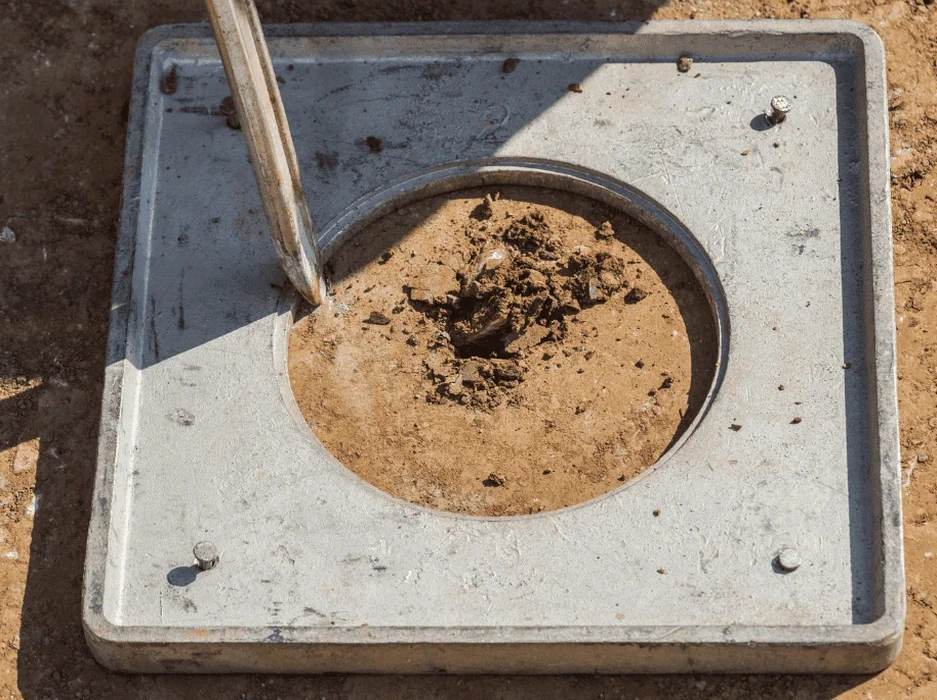
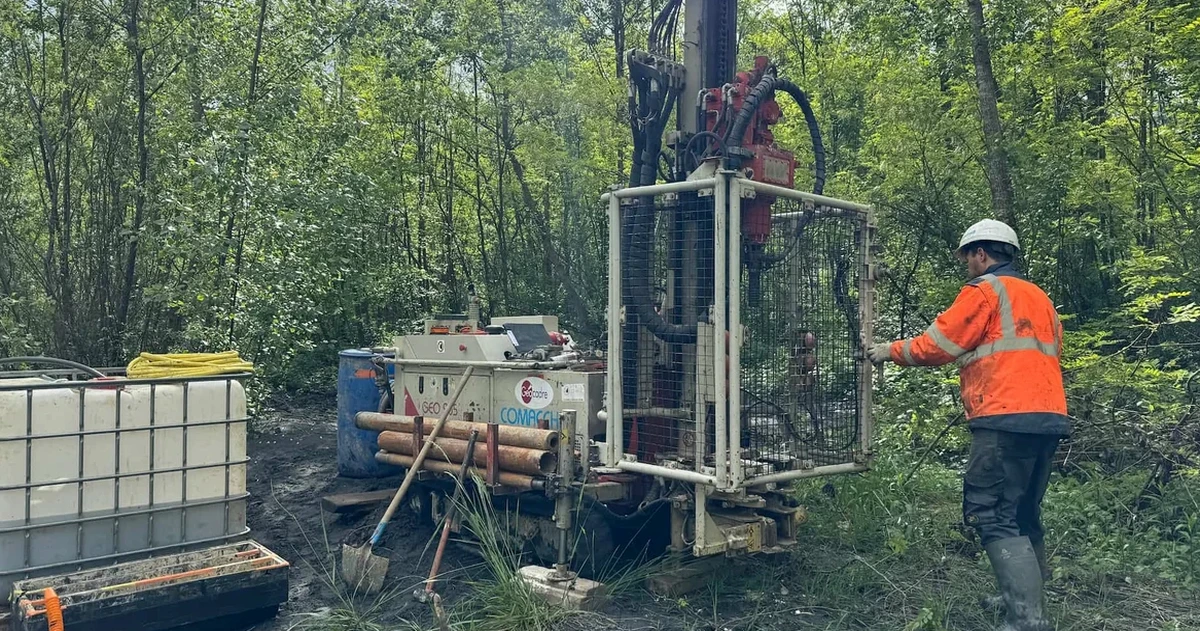
The hollow-stem auger bites into the San Joaquin Valley alluvium, and within the first ten feet you already see why a standard soil mechanics study in Fresno matters. Our drilling crew works the rig near Highway 99, pulling Shelby tubes from depths where the silty sand transitions into stiff clay. Every sample goes straight into sealed jars for transport to our ASTM D2487-compliant lab. We run unconfined compression on the cohesive layers, sieve analysis on the granular stuff, and consolidation tests where compressibility could affect long-term settlement. The IBC Chapter 18 requirements are the baseline, but what drives the drilling depth and the sampling interval is the actual subsurface profile — lenses of sandy silt, groundwater at variable depths depending on whether you are east or west of the 41, and occasional gravel stringers that can fool a shallow boring. A test pits investigation often complements the deeper borings when near-surface conditions near the Fresno irrigation canal network need visual verification of fill thickness and root penetration.

Collapse potential in the upper alluvium east of Highway 99 is real — we measure it, we quantify it, and we design the rework so your foundation does not settle differentially.
Geotechnical Engineering in Fresno
Technical reference — Fresno

Our service areas

Local geology

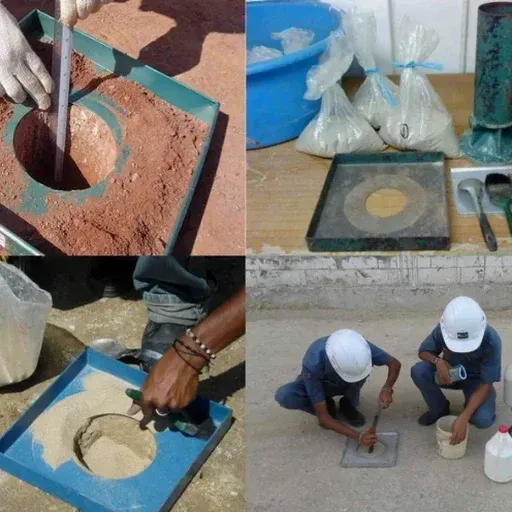
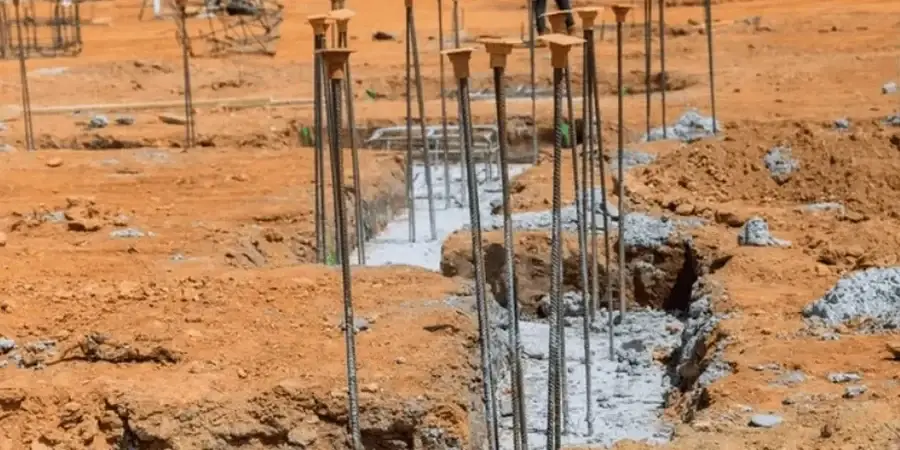
We worked on a mixed-use project near the Tower District where the geotechnical report had to resolve a conflict: the structural engineer wanted a spread footing design at four feet below grade, but the upper soils showed collapse potential on the collapse index tests. The contractor needed numbers they could take to the ready-mix supplier and the rebar detailer — not just a generic bearing capacity. Our Fresno soil mechanics study delivered Atterberg limits, direct shear on undisturbed samples, and one-dimensional consolidation curves so the team could model settlement under the design load. When the lab data revealed a soft clay lens at twelve feet, we recommended over-excavation and re-compaction with moisture conditioning per ASTM D698. The Proctor tests confirmed a maximum dry density of 122 pcf at optimum moisture, which the earthwork sub used to calibrate the sheepsfoot roller passes. That is the difference between a report that sits on a shelf and one that moves a project forward.

Relevant standards

ASTM D2487 – Standard Practice for Classification of Soils for Engineering Purposes (USCS), ASTM D1586 – Standard Test Method for Standard Penetration Test (SPT) and Split-Barrel Sampling of Soils, IBC Chapter 18 – Soils and Foundations (adopted by City of Fresno Building Division), ASCE 7-22 Chapter 20 – Site Classification Procedure for Seismic Design

Need a geotechnical assessment?

Reply within 24h.

Email: contact@geotechnicalengineering1.com

Why choose us

West Fresno and the newer subdivisions out toward Clovis sit on different depositional units, and the soil mechanics behavior changes across town. West of Highway 99, the alluvial fan deposits tend to be finer — more silt, more clay, higher plasticity indices that push the expansion index into the moderate-to-high range. That means post-tensioned slabs need ribbed designs and moisture barriers, and any soil mechanics study in Fresno has to quantify the swell pressure so the structural engineer can size the tendons. East of the 41 toward the foothills, the soils turn sandier, with better drainage but lower SPT blow counts in the upper fifteen feet. When you add the seismic hazard from the San Andreas Fault, roughly 60 miles to the west, the site class determination per ASCE 7 Chapter 20 becomes the make-or-break number for the lateral design. A liquefaction analysis based on SPT data and the simplified procedure from Youd and Idriss (2001) tells us whether the granular layers will lose strength during the design earthquake — and that changes everything from the foundation type to the ground improvement budget.

Technical parameters

ParameterTypical value
Borehole depthTypically 30 to 60 ft, deeper for mat foundations or liquefaction assessment
Sampling methodStandard Penetration Test (SPT) per ASTM D1586; Shelby tubes for undisturbed samples
Lab classificationASTM D2487 Unified Soil Classification System (USCS) with group symbol and name
Shear strengthUnconsolidated-undrained (UU) triaxial or direct shear; effective stress parameters via consolidated-undrained (CU) with pore pressure measurement
ConsolidationOne-dimensional oedometer test; compression index Cc and recompression index Cr reported
Collapse/swellCollapse index per ASTM D5333; swell pressure and free swell for expansive clay identification
Corrosivity suitepH, resistivity, sulfates, chlorides per Caltrans or AASHTO T-290 for buried concrete and steel
GroundwaterDepth to water recorded at time of drilling and 24-hour stabilized reading in monitoring well

Frequently asked questions

How deep do you drill for a soil mechanics study in Fresno?

Depth depends on the foundation type and the site geology. For a typical two-story commercial building on spread footings, we usually go 30 to 40 feet. For mat foundations or when liquefaction is a concern, borings extend to 50 or 60 feet to capture the full soil column and the groundwater condition. The Fresno Building Division reviews boring logs against IBC Table 1806.2, so we make sure the exploration depth satisfies code minimums plus any project-specific requirements.

What is the cost of a soil mechanics study in Fresno?
How long does it take to get the final geotechnical report?

Field drilling and sampling usually take one to two days per site. Lab testing runs concurrently and takes about seven to ten business days for standard index and shear tests. Consolidation tests need extra time for each load increment. We typically deliver the draft report within two weeks of completing the fieldwork, and the final signed report follows within a few days after your review.

Do you provide site class determination per ASCE 7 for the structural engineer?

Yes, the site class is a standard deliverable in every report. We compute the average shear wave velocity, SPT N-value, or undrained shear strength for the upper 100 feet — whichever method gives the most representative profile — and assign a site class from A to F per ASCE 7-22 Chapter 20. The structural engineer uses that class to select the design response spectrum coefficients, so we make sure the calculation is clearly documented and supported by the field and lab data.

Location and service area

We serve projects across Fresno and surrounding areas.

View larger map