GEOTECHNICALENGINEERING1
FRESNO
HomeUnderground ExcavationsGeotechnical analysis for soft soil tunnels

Geotechnical Analysis for Soft Soil Tunnels in Fresno, CA

Sound ground. Sound decisions.

LEARN MORE

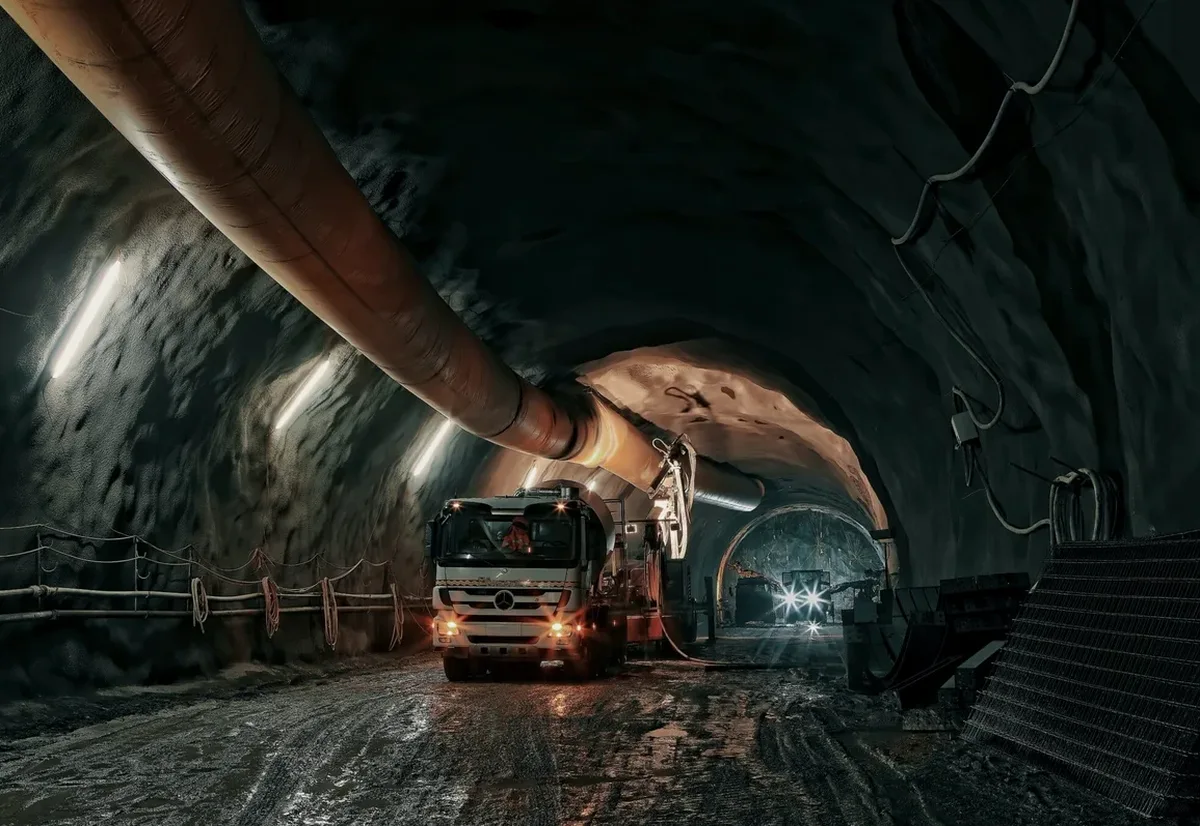
Fresno sits at the heart of the Central Valley, a basin filled with over 10,000 feet of sediment in places. When you propose a tunnel through the city's alluvial fans and floodplain deposits, standard assumptions fail. The clay, silt, and loose sand layers demand a geotechnical analysis for soft soil tunnels that goes beyond a simple bore log. Our team works directly with contractors to characterize the ground ahead of the TBM. We quantify the undrained shear strength profile, the preconsolidation pressure of the clays, and the permeability of channel sands. The water table here is high—often within 10 feet of the surface in downtown Fresno. That means face stability and groundwater control are not afterthoughts. They drive the entire design. We provide the parameters that let you size your support, set your advance rate, and manage settlement before it reaches the surface. No generic reports. Just site-specific data for the ground you will actually encounter underneath this city.

In Fresno's alluvial basin, tunnel face stability is governed by the undrained strength of the clay and the hydrostatic pressure at the crown. Get both wrong and the ground controls you.
Our service areas

Process and scope

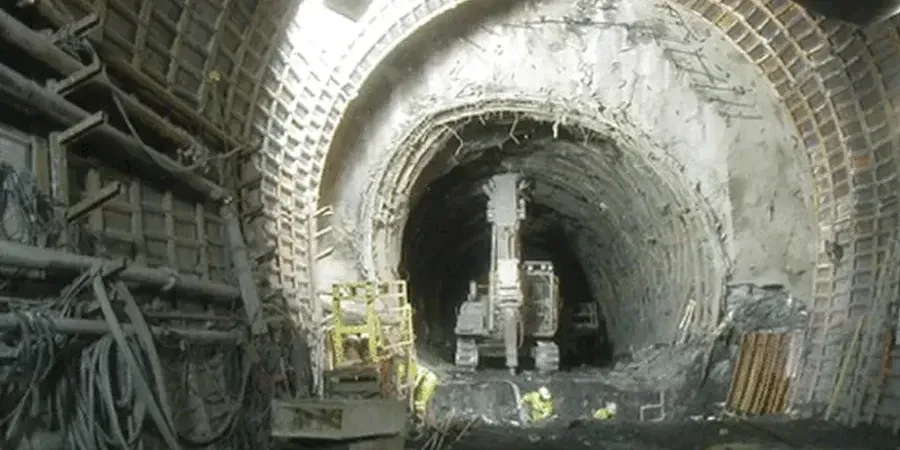
Tunneling conditions shift dramatically between a site near the San Joaquin River and one in the consolidated older alluvium east of Highway 99. Near the river, you will find loose sands and soft, normally consolidated clays that can squeeze and ravel if the face pressure drops. In the eastern sections, the soils are stiffer, but cemented lenses can slow a TBM and increase cutter wear. Our analysis captures these transitions. We run consolidated-undrained triaxial tests to define the stress-strain behavior of the clays. We measure the coefficient of earth pressure at rest through laboratory programs that include incremental loading oedometer tests. For granular layers, we often combine the standard penetration test with grain-size distribution to assess liquefaction potential and filter compatibility. Every parameter we deliver ties back to a specific tunneling mechanism: crown stability, invert heave, or long-term consolidation settlement. We do not hand you a textbook table. We hand you a defensible ground model built for the advance rates and segmental lining design your contractor needs to price the work.
Geotechnical Analysis for Soft Soil Tunnels in Fresno, CA
Technical reference — Fresno

Local considerations

The dry summer heat of Fresno deceives many. The ground holds water year-round. Tunnel through a confined sand lens without adequate face pressure and you will see a chimney failure propagate to the surface within hours. The real risk is not just collapse—it is settlement that damages infrastructure before anyone underground feels a thing. Our analysis models the settlement trough width and maximum vertical displacement for your alignment. We factor in the effect of multiple tunnel drives, the stiffness of the lining, and the long-term consolidation of clay layers. We also screen for the presence of expansive clays near the portals, where seasonal moisture changes can impose lateral loads on retaining structures. A slope stability analysis at the launch and reception shafts becomes critical when you are cutting through stratified alluvium with perched water. You need a ground model that predicts behavior across all phases: open-face mining, TBM advance, and post-construction drainage.

Need a geotechnical assessment?

Reply within 24h.

Email: contact@geotechnicalengineering1.com

Relevant standards

ASTM D1586-18: Standard Test Method for SPT, ASTM D4767-11: Consolidated-Undrained Triaxial Test, ASTM D2435: One-Dimensional Consolidation Properties, FHWA-NHI-05: Tunnel Design and Construction, ITIG: Guidelines for Tunneling Risk Management

Technical parameters

ParameterTypical value
Undrained shear strength (Su)0.3 to 1.8 ksf, from field vane and UU triaxial tests
Preconsolidation pressure (Pc)Determined via incremental oedometer, typical OCR 1.1 to 2.5
Permeability (k)10^-4 to 10^-7 cm/s, from falling-head and constant-head tests
Compression index (Cc)0.15 to 0.40 for normally consolidated clays
Soil classificationCL, CH, ML, and SM per ASTM D2487
Groundwater levelTypically 5 to 15 ft below grade, seasonal fluctuation
Liquefaction screeningSPT-based per NCEER/Youd-Idriss method

Frequently asked questions

How does the high water table in Fresno affect tunnel design?

The shallow groundwater, often within 5 to 15 feet of grade, creates a constant hydrostatic pressure on the tunnel face. We must design the face support pressure to balance this water pressure plus the effective stress of the soil. Without proper control, you get water inflow, piping, and rapid face loss.

What laboratory tests are essential for soft soil tunnel analysis?

Consolidated-undrained triaxial tests give us the undrained shear strength and effective stress parameters. Oedometer tests define the consolidation behavior and settlement potential. Grain-size analyses and Atterberg limits classify the soil and predict its behavior at the face.

What is the typical cost range for a tunnel geotechnical investigation in Fresno?
How do you handle mixed-face conditions in Fresno?

Mixed-face conditions—where the tunnel crosses from clay into sand within the same heading—require careful characterization of each unit. We map the contact elevation precisely and provide separate strength and permeability parameters for each material so the TBM operator can adjust face pressure in real time.

Location and service area

We serve projects across Fresno and surrounding areas.

View larger map