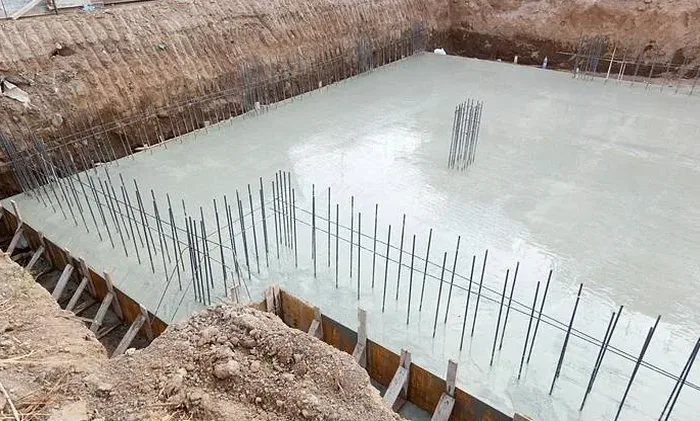
Foundations form the literal base of every structure, transferring loads from the building to the ground beneath. In Fresno, where soil conditions can shift dramatically from one parcel to the next, a properly designed foundation is not just a code requirement—it is the single most critical investment in the long-term safety and performance of any project. This category encompasses the full spectrum of subsurface investigation, geotechnical analysis, and structural footing design necessary to create a stable platform for residential, commercial, and industrial buildings. From shallow spread footings to deep foundation systems, the goal remains the same: prevent excessive settlement, resist uplift, and protect against the lateral forces that earthquakes can impose.
Fresno sits within the San Joaquin Valley, an area shaped by millennia of sediment deposition from the Sierra Nevada. The local geology is dominated by alluvial fans, floodplain deposits, and in some areas, expansive clay soils that swell when wet and shrink when dry. These expansive soils, particularly those with high montmorillonite content, can exert tremendous pressure on footings and slabs, leading to cracking and differential movement if not properly mitigated. Additionally, the region’s proximity to the San Andreas Fault system means that seismic considerations are paramount. Liquefaction potential in loose, saturated sands and the amplification of ground motion in soft soils demand rigorous geotechnical investigation before any foundation design begins.
Regulatory oversight in Fresno falls under the California Building Code (CBC), which adopts and amends the International Building Code to address the state’s unique seismic risks. Chapter 18 of the CBC governs soils and foundations, mandating site-specific geotechnical reports for most new construction. These reports must evaluate bearing capacity, lateral soil pressure, and settlement potential, with special provisions for Seismic Design Categories D, E, and F that apply throughout much of Fresno County. Local amendments enforced by the City of Fresno Building Division may require additional analysis for expansive soils or high groundwater tables. Engineers stamping foundation plans must demonstrate compliance with these codes, ensuring that factors of safety are met for both static and dynamic loading conditions.
The types of projects that demand this expertise range from custom homes on the bluffs overlooking the San Joaquin River to tilt-up warehouses in the city’s growing industrial parks. Light commercial buildings often rely on stiffened slab-on-grade foundations with deepened perimeter beams to combat expansive soils, while multi-story structures may require a transition to pile foundation design when near-surface soils lack adequate bearing capacity. Bridge abutments, retaining walls, and solar farm racking systems each present their own geotechnical challenges, all falling under the umbrella of this category. Even renovations and additions trigger foundation evaluations, as new loads must be reconciled with existing footings that may predate modern seismic standards.
Expansive soils contain clay minerals that absorb water and swell, then shrink as they dry. This volume change can lift and drop foundations unevenly, causing cracking in slabs, walls, and framing. In Fresno’s semi-arid climate, seasonal moisture fluctuations exacerbate the problem. Mitigation often involves deepened footings, moisture barriers, or chemical treatment to stabilize the soil and reduce its shrink-swell potential.
Fresno’s seismic hazard profile requires foundations to resist lateral ground movement and potential liquefaction. The California Building Code mandates that structures be designed with adequate reinforcement, positive connections between footings and the superstructure, and, in some cases, deep foundations that bypass liquefiable layers. Geotechnical reports must assess site-specific ground motion amplification and provide parameters for seismic design.
Shallow foundations, such as spread footings or mat slabs, transfer loads to soil near the surface and are suitable when competent bearing strata are within a few feet of grade. Deep foundations, including driven piles or drilled shafts, extend through weak or compressible soils to reach more competent layers or bedrock. The choice depends on soil conditions, load magnitude, and tolerance for settlement.
The California Building Code requires a geotechnical investigation for nearly all new structures, except minor accessory buildings. In Fresno, the investigation must assess soil type, bearing capacity, settlement, expansive potential, and seismic hazards. The resulting report provides foundation design recommendations that engineers use to size footings, specify reinforcement, and address any necessary soil improvements.