Sound ground. Sound decisions.
LEARN MOREUnderground excavations in Fresno represent a specialized branch of geotechnical engineering that deals with the planning, design, construction, and support of subterranean openings. From utility tunnels and transit corridors to deep basements and water conveyance systems, these projects demand a rigorous understanding of soil-structure interaction. In Fresno's expanding urban landscape, where surface space is increasingly constrained, underground solutions offer a practical path forward for infrastructure upgrades, stormwater management, and transportation networks.
The geological context of Fresno is dominated by the alluvial sediments of the San Joaquin Valley, deposited over millennia by rivers draining the Sierra Nevada. These soils are predominantly granular, with interbedded layers of sands, silts, and clays, often exhibiting a high groundwater table that complicates excavation. The presence of soft, compressible ground and the risk of liquefaction during seismic events make thorough geotechnical analysis for soft soil tunnels an absolute necessity before any subsurface work begins.
Projects in Fresno must comply with stringent regulatory frameworks, primarily enforced by Cal/OSHA for trenching and excavation safety under Title 8 of the California Code of Regulations. Federal standards from OSHA (29 CFR Part 1926, Subpart P) govern protective systems for excavations deeper than five feet. Furthermore, the California Building Code (CBC), based on the International Building Code, mandates geotechnical investigations per Chapter 18, while the City of Fresno's Public Works Department requires detailed soils reports and shoring plans for any excavation impacting public rights-of-way.
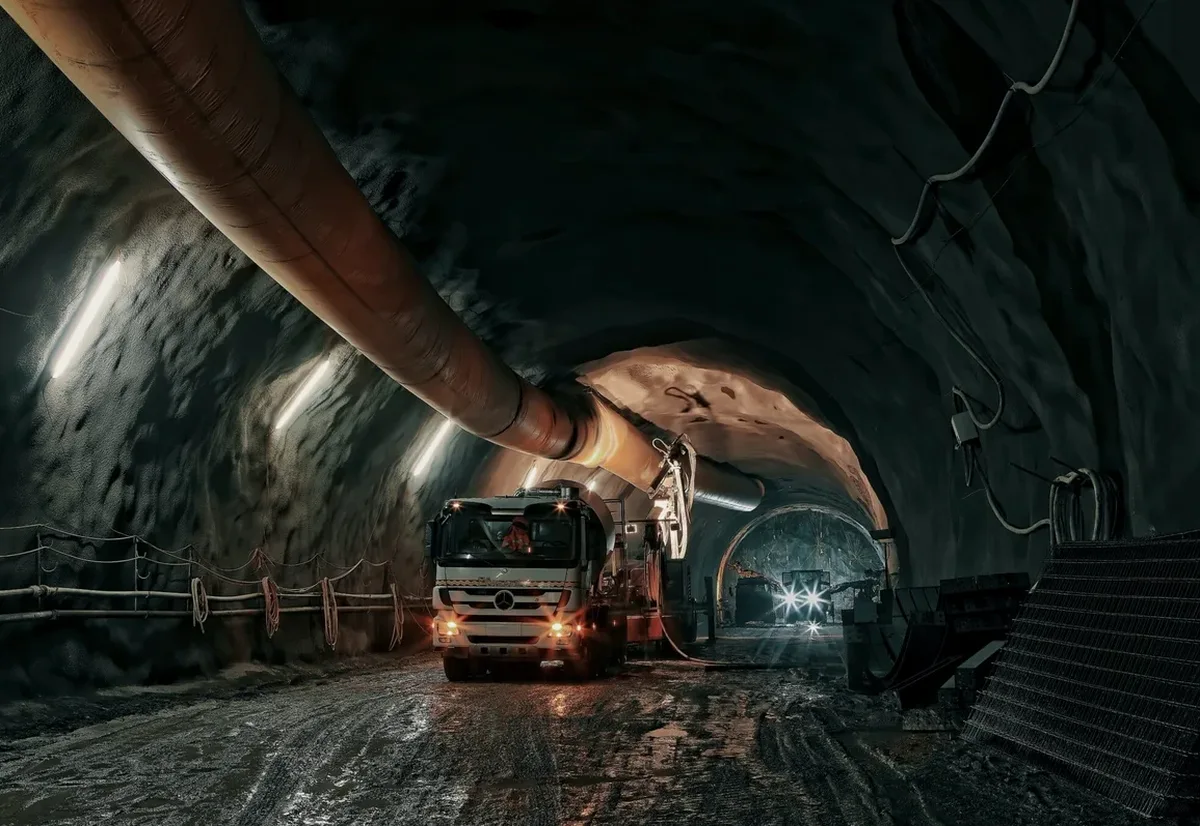
This category encompasses a wide range of project types essential to Fresno's growth. Common applications include the installation of large-diameter sewer interceptor tunnels, underground stormwater detention vaults beneath new developments, and cut-and-cover structures for grade separations. The increasing demand for deep basements in downtown high-rises requires precise geotechnical design of deep excavations to prevent ground loss and protect adjacent structures. Throughout construction, geotechnical excavation monitoring using inclinometers, settlement points, and piezometers provides critical data to verify design assumptions and ensure safety.
The primary risks include face instability in granular, cohesionless soils; basal heave due to high groundwater levels; and excessive ground settlements that can damage nearby utilities and structures. Seismically induced liquefaction of loose, saturated sand layers poses a significant threat, requiring specialized ground improvement or structural lining designs to mitigate.
Excavation safety in Fresno is governed by Cal/OSHA Title 8 regulations, which align with but can be stricter than federal OSHA Subpart P standards. These require protective systems like shoring, sloping, or trench shields for excavations deeper than five feet, and mandate a competent person to conduct daily inspections for changing soil conditions or hazards.
A high groundwater table creates hydrostatic pressure on retaining structures, increases the risk of bottom instability or 'quick' conditions in silty sands, and complicates waterproofing. Effective dewatering systems, such as deep wells or wellpoints, are typically required, and their design must account for potential settlement of surrounding ground due to pore pressure reduction.
Geotechnical monitoring provides real-time performance data, allowing engineers to verify that ground movements and structural loads remain within acceptable limits. Instrumentation like inclinometers, extensometers, and settlement markers enables the observational method, where the design can be safely optimized or contingency plans activated if pre-defined alert thresholds are exceeded, protecting adjacent properties.