GEOTECHNICALENGINEERING1
FRESNO
HomeLaboratoryGrain size analysis (sieve + hydrometer)

Grain Size Analysis (Sieve + Hydrometer) in Fresno – ASTM D6913 & D7928

Sound ground. Sound decisions.

LEARN MORE

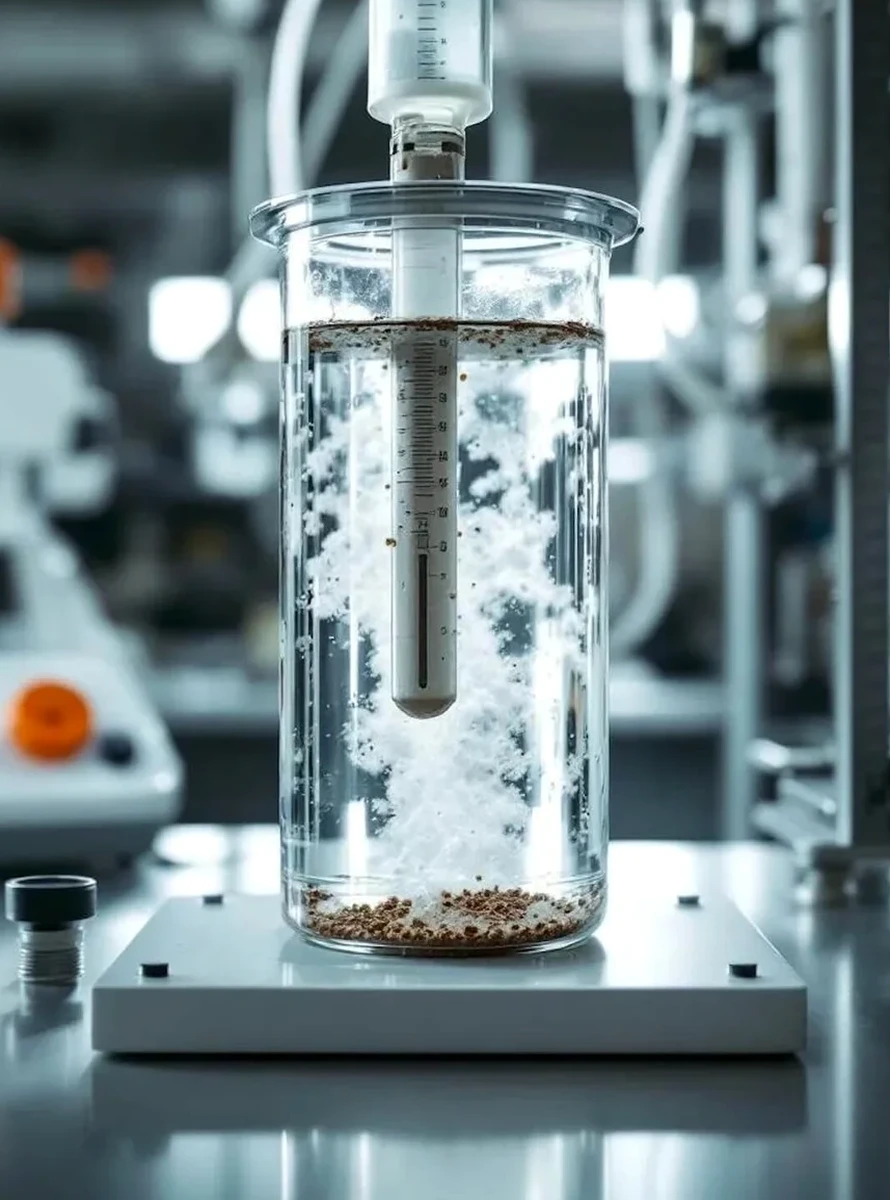
ASTM D6913 and D7928 define the standard for particle size distribution, and in Fresno those standards matter more than most people realize. The alluvial soils of the San Joaquin Valley shift from coarse channel deposits to fine silty clays over short distances, often within a single lot. A project off Herndon Avenue might hit sandy loam at five feet and fat clay at twelve. Without a complete grain size curve — including the hydrometer fraction passing the No. 200 sieve — you're guessing on drainage behavior, frost susceptibility, and how the material will compact under load. Our lab runs the full combined analysis because partial data leads to expensive surprises during grading and foundation inspection.

The silt and clay fraction — what passes the No. 200 sieve — often controls Fresno foundation performance, not the sand and gravel everyone can see.
Our service areas

Process and scope

Fresno sits on deep Quaternary alluvium deposited by the Kings and San Joaquin river systems, with surface soils dominated by the Hanford and Greenfield series — sandy loams that transition into silty clays as you move toward the basin trough. The USDA soil survey maps show hydrologic soil group B and C intermingled, so infiltration assumptions flip block by block. That's where the hydrometer step earns its value: it quantifies the silt and clay fraction that sieves alone miss. For engineers sizing detention basins or evaluating expansive potential, the difference between 12 percent fines and 28 percent fines changes the entire earthwork specification. We pair grain size data with Atterberg limits testing when the plasticity index is needed for a full USCS classification.
Grain Size Analysis (Sieve + Hydrometer) in Fresno – ASTM D6913 & D7928
Technical reference — Fresno

Local considerations

We tested material from a tilt-up warehouse pad near the Fresno Yosemite International Airport where the geotech called for 95 percent relative compaction on a sandy silt. The grain size curve came back with 34 percent fines and a liquid limit of 42 — borderline between ML and CL. That detail forced a lime-treatment change order the developer hadn't budgeted for, but catching it during pre-construction saved them from differential settlement that would have cracked the slab within two wet seasons. Fresno's hot, dry summers followed by winter rains create shrink-swell cycles that punish misclassified soils. A sieve-only analysis would have missed the reactive clay fraction entirely. The hydrometer data made the difference between a stable floor and a lawsuit.

Need a geotechnical assessment?

Reply within 24h.

Email: contact@geotechnicalengineering1.com

Relevant standards

ASTM D6913/D6913M-17 — Standard Test Methods for Particle-Size Distribution (Gradation) of Soils Using Sieve Analysis, ASTM D7928-21 — Standard Test Method for Particle-Size Distribution (Gradation) of Fine-Grained Soils Using the Sedimentation (Hydrometer) Analysis, ASTM D2487-17 — Standard Practice for Classification of Soils for Engineering Purposes (Unified Soil Classification System), Caltrans CTM 202 — Method of Test for Determining Quantity of Material Finer Than 75 µm in Aggregate

Technical parameters

ParameterTypical value
MethodCombined sieve (ASTM D6913) and hydrometer (ASTM D7928)
Sieve range3 in (75 mm) down to No. 200 (75 µm)
Hydrometer range75 µm down to approximately 0.001 mm (clay colloids)
Sample mass (fine-grained)200 g dry weight, split per ASTM C702
DispersantSodium hexametaphosphate solution, 40 g/L per D7928
ReportingGradation curve, coefficient of uniformity Cu, coefficient of curvature Cc
Hydrometer correctionMeniscus, temperature, and dispersant blank per 152H procedure
Typical turnaround3–5 business days from sample receipt

Frequently asked questions

What does a combined sieve and hydrometer test cost in Fresno?
How much sample material do you need for the full analysis?

For soils with gravel we need about 2 to 5 kg of material in a sealed bag. Fine-grained samples for hydrometer work require roughly 200 grams of the minus-No.-10 fraction. If you're pulling from a split spoon, bring the whole liner so we can log moisture condition first.

Why does Fresno soil need the hydrometer portion instead of just sieves?

Because the alluvial deposits across the Fresno area carry a high silt and clay fraction that sieves can't separate by size alone. The hydrometer quantifies what passes the No. 200 sieve — critical for classifying expansive clays, designing drainage layers, and meeting Caltrans gradation bands for structural backfill.

Do you pick up samples or do we drop them off?

Most Fresno contractors and drillers drop samples at our receiving window during business hours. For larger projects with daily sampling — like levee investigations or pipeline trenches — we can arrange local pickup. Give us a call the day before and we'll coordinate a route.

How long does a standard grain size analysis take?

Typical turnaround is three to five business days. The hydrometer sedimentation reading runs a minimum of 24 hours, and we include oven-dry moisture content and the full gradation plot. Expedited two-day service is available when the grading crew is waiting on a classification to proceed.

Location and service area

We serve projects across Fresno and surrounding areas. More info.

View larger map