GEOTECHNICALENGINEERING1
FRESNO
HomeLaboratoryProctor test (Standard or Modified)

Proctor Compaction Testing Fresno — Standard & Modified Density

Sound ground. Sound decisions.

LEARN MORE

Fresno sits at 308 feet above sea level on the alluvial fan of the San Joaquin Valley floor. That flat geography hides a complex subsurface of sandy loams, silts, and clay lenses deposited by centuries of Kings River flooding. Every contractor in the Central Valley knows the problem: soil that looks solid on top can settle unevenly under structural loads. The Proctor test delivers the one number that matters for compaction — maximum dry density at optimum moisture. Without that baseline, density readings from a nuclear gauge mean nothing. The team runs both ASTM D698 (Standard) and D1557 (Modified) procedures depending on project requirements. For parking lots in the Tower District or warehouse pads near Highway 99, achieving 95% relative compaction is the difference between a long-term asset and costly rework. This is not theoretical work. It is production testing that keeps grading crews moving and project schedules intact.

A Proctor curve is not just a lab report. It is the compaction recipe that grading crews follow every day on site.
Our service areas

Methodology and scope

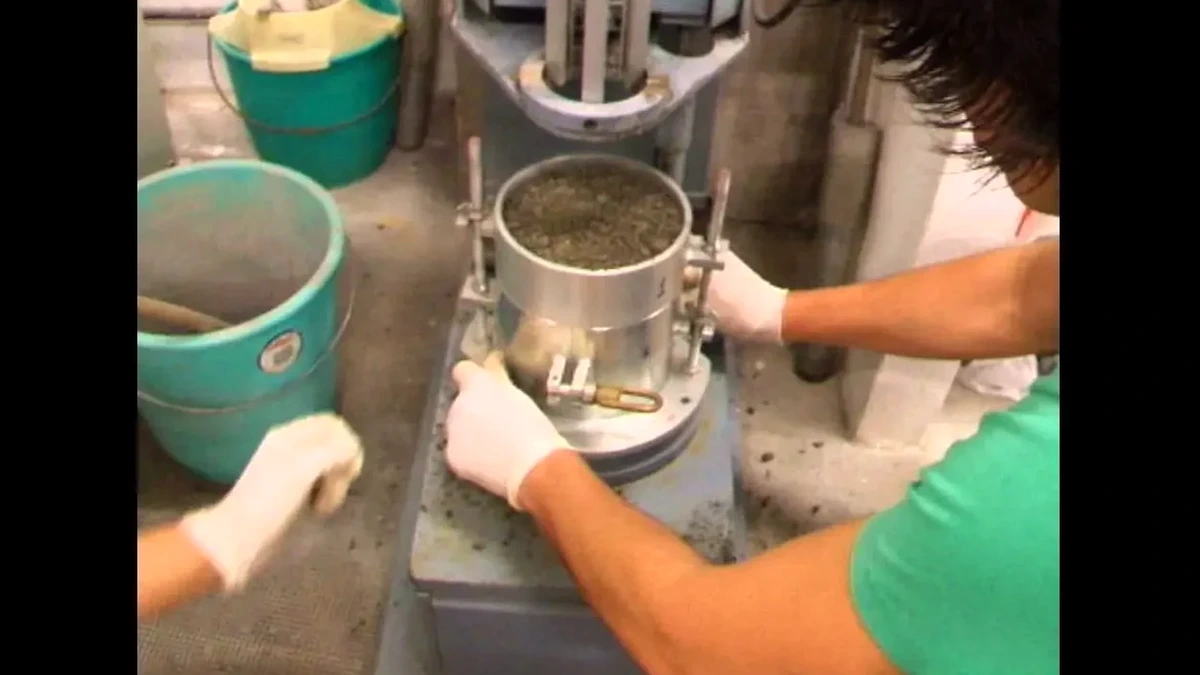
The Central Valley's semi-arid climate creates a narrow compaction window. Summer temperatures above 100°F dry out fill material within hours. Winter rains turn silty soils into unworkable mud. The Proctor test identifies the exact moisture range where compaction effort pays off. The Standard Proctor uses a 5.5-lb hammer dropped 12 inches in three layers. The Modified Proctor jumps to a 10-lb hammer dropped 18 inches in five layers — matching the higher energy of modern rollers and vibratory compactors. The lab runs companion grain-size analysis when material classification matters for structural fill specs. Each test includes thorough moisture-density curves plotted from four or five compaction points. The curve shape itself reveals soil behavior: flat curves indicate forgiving material; steep curves warn of sensitivity to moisture changes during construction.
Proctor Compaction Testing Fresno — Standard & Modified Density
Technical reference — Fresno

Local considerations

North Fresno developments near the San Joaquin River encounter sandy soils that compact easily but erode fast. Southeast expansion areas toward Fowler sit on older, finer-grained deposits with higher clay content. These two soil profiles demand completely different compaction strategies. The risk of skipping a Proctor test is quantifiable: under-compacted fill leads to differential settlement, cracked slabs, and failed compaction tests during inspection. Over-compaction wastes fuel, equipment hours, and can even shear soil structure in clayey material. The lab provides rapid turnaround — same-day results when needed — so grading operations stay ahead of the inspector. For deep fill projects over 3 feet, the team recommends a two-point Proctor: one for the upper lift zone and one for deeper material that may come from a different borrow source within the Fresno site.

Need a geotechnical assessment?

Reply within 24h.

Email: contact@geotechnicalengineering1.com

Applicable standards

ASTM D698-12(2021): Standard Test Methods for Laboratory Compaction Characteristics of Soil Using Standard Effort, ASTM D1557-12(2021): Standard Test Methods for Laboratory Compaction Characteristics of Soil Using Modified Effort, Caltrans Standard Specifications Section 19: Earthwork, ASTM D2216: Laboratory Determination of Water (Moisture) Content

Technical parameters

ParameterTypical value
Test standard (Standard Proctor)ASTM D698 / AASHTO T-99
Test standard (Modified Proctor)ASTM D1557 / AASHTO T-180
Hammer mass (Standard)5.5 lb (2.5 kg)
Hammer mass (Modified)10 lb (4.54 kg)
Drop height (Standard)12 inches (305 mm)
Drop height (Modified)18 inches (457 mm)
Number of soil layers (Standard)3
Number of soil layers (Modified)5
Mold volume1/30 ft³ (944 cm³)
Typical reportingMax dry density (pcf) & optimum moisture (%)

Frequently asked questions

What does a Proctor compaction test cost in Fresno?

The price ranges from US$100 to US$190 per test point depending on whether you need Standard or Modified Proctor, and how quickly results must be delivered. A full moisture-density curve with four or five points sits at the upper end of that range. Rush turnaround within 24 hours may carry a small premium.

Which Proctor method does my Fresno project require?

It depends on the fill type and structural demand. Most residential and light commercial work in Fresno uses Standard Proctor per ASTM D698. Caltrans roadwork, airport projects, and heavy industrial pads require Modified Proctor per ASTM D1557. The lab can advise once they know the project specifications and soil type.

How long does it take to get Proctor test results?

Standard turnaround is 24 to 48 hours from sample drop-off. Same-day results are available for urgent grading operations. The soil must be dried, processed through sieves, mixed to target moistures, and compacted at each moisture point. Rushing the drying step compromises curve quality, so the lab protects that step carefully.

Can one Proctor curve cover an entire Fresno construction site?

Only if the borrow source stays consistent. Large Fresno sites often encounter soil variation — sandy material in one corner, silty clay in another. Each distinct soil type needs its own Proctor curve. The rule of thumb is one Proctor per 5,000 cubic yards of fill, or whenever visual classification changes during excavation.

Location and service area

We serve projects across Fresno and surrounding areas. More info.

View larger map