GEOTECHNICALENGINEERING1
FRESNO
HomeIn-Situ TestingField permeability test (Lefranc/Lugeon)

Field Permeability Testing (Lefranc & Lugeon) in Fresno

Sound ground. Sound decisions.

LEARN MORE

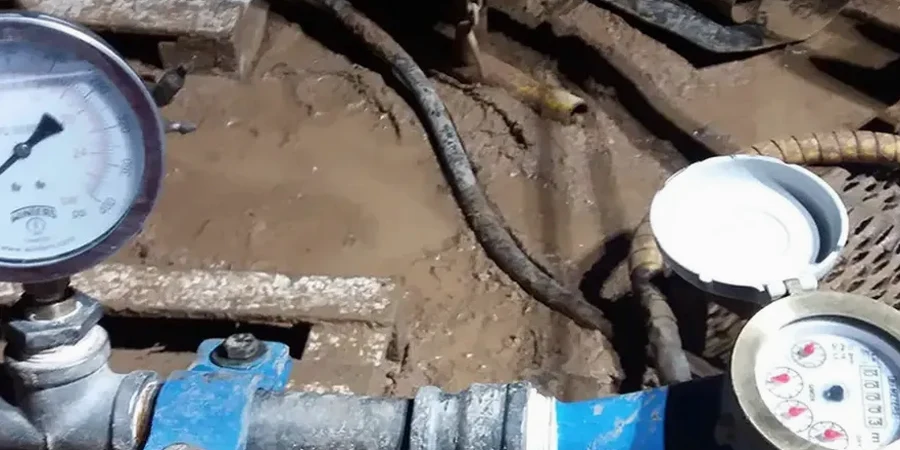
Fresno sits at 308 feet above sea level, but its water table can swing over 30 feet between drought years and wet cycles. Every excavation, retention basin, and foundation drain in the Central Valley depends on one thing: reliable field permeability data. Without it, dewatering plans fail and recharge basins clog. We run Lefranc tests in granular alluvium and Lugeon tests in deeper fractured zones, giving you real K-values instead of lab estimates. The 2023 recharge season proved how critical this is—basins designed without in-situ data lost capacity fast. Our team brings the equipment directly to your site, whether it's a downtown infill project or an agricultural processing facility near Highway 99.
For deep foundation planning in variable soils, we often pair permeability data with SPT drilling to correlate hydraulic conductivity with blow counts across the stratigraphy. This avoids the mistake of assuming uniform drainage where interbedded clays create perched water.

A single Lefranc test at the right depth replaces a dozen lab permeability estimates and eliminates the risk of designing dewatering for the wrong soil layer.
Our service areas

Methodology and scope

The contrast between Fresno's west side and the foothills east of Clovis is stark. West of Highway 99, you are dealing with thick sequences of alluvial silts and sands—moderate permeability, often anisotropic due to interbedded clay stringers. A Lefranc test at 15 or 20 feet depth will give you a direct K-value that captures those thin impermeable layers, something a lab permeameter completely misses. Toward the Sierras, decomposed granite dominates. Here the Lugeon method, run in NX-diameter boreholes under pressure stages, tells you exactly how fractured the rock mass is and whether you need curtain grouting before excavation. We recently tested a site near Millerton Lake where packer tests showed 35 Lugeon units in the upper 10 feet—classic open-jointed rock that would have drained a reservoir.
In urban Fresno projects with limited access, we sometimes complement permeability results with test pits to visually confirm the stratigraphy at shallow depth before installing piezometers. This dual approach saves time and avoids mischaracterizing the vadose zone.
Field Permeability Testing (Lefranc & Lugeon) in Fresno
Technical reference — Fresno

Local considerations

Fresno's semi-arid climate creates a deceptive risk: soils that appear dry and stable during summer can develop high pore pressures during winter recharge or managed aquifer storage operations. A contractor who skips field permeability testing on a detention basin assumes uniform infiltration rates, then watches the basin pond for days after a storm—failed percolation, failed inspection. The Lugeon test is equally critical for groundwater control. If you underestimate fracture conductivity in the crystalline rock along the foothills, your dewatering system will be undersized and your excavation will flood. We have seen this on highway projects where the water table was 40 feet deep but fractures transmitted water laterally from recharge zones miles away.
In Fresno County, where groundwater sustainability agencies (GSAs) now require precise data for recharge credits under SGMA, a Lefranc test is not just engineering—it is regulatory compliance.

Need a geotechnical assessment?

Reply within 24h.

Email: contact@geotechnicalengineering1.com

Applicable standards

ASTM D4630-19 (Standard Test Method for Determining Transmissivity and Storage Coefficient of Low-Permeability Rocks by In Situ Measurements Using the Constant Head Injection Test), ASTM D4631-18 (Standard Test Method for Determining Transmissivity and Storativity of Low Permeability Rocks by In Situ Measurements Using Pressure Pulse Technique), USBR 6510 (Lugeon Test Procedure for Dam Foundations), ASCE/EWRI 50-08 (Standard Guideline for Fitting Saturated Hydraulic Conductivity Using Probability Density Functions)

Technical parameters

ParameterTypical value
Test Methods OfferedLefranc (constant/variable head), Lugeon (multi-stage packer)
Applicable SoilsAlluvial sands, silts, gravels; fractured rock; weathered granite
Borehole Diameter4 to 6 inches (NX to HQ), depending on depth and casing requirements
Standard ReferenceASTM D4630 (rock), ASTM D4631 (soil), USBR 6510 procedures
Depth CapabilityUp to 200 feet with wireline packer assembly; deeper with standalone systems
Reporting OutputK-value (cm/s or ft/day), Lugeon units, pressure-stage plots, transmissivity where applicable

Frequently asked questions

What does a field permeability test cost in Fresno?

A single Lefranc test at one depth interval typically runs between US$620 and US$1,020, including mobilization, drilling to test depth, the test execution, and the engineering report. Lugeon tests in rock are on the higher end due to packer equipment and multi-stage procedures. The total project cost depends on the number of test intervals and the drilling depth required.

When is a Lugeon test required instead of a Lefranc test?

Use the Lugeon test when the formation is rock or very stiff cemented soil where a Lefranc cavity would collapse or give unrepresentative results. The Lugeon uses a packer to isolate a section of borehole and injects water under controlled pressure stages. It quantifies fracture conductivity in Lugeon units (1 Lu ≈ 1.3×10⁻⁵ cm/s). Dam foundations, tunnel alignments, and deep excavations in the Sierra foothills east of Fresno all require Lugeon testing.

How many test intervals do I need for a typical detention basin project?

For a basin smaller than one acre, we generally recommend a minimum of three test intervals: one at the proposed basin floor elevation and two within the underlying soil column, typically at 5-foot and 10-foot depths below the floor. Larger basins or sites with variable stratigraphy may require additional tests. The goal is to capture the controlling permeable or impermeable layer that governs infiltration rates.

How does SGMA affect permeability testing requirements in Fresno County?

The Sustainable Groundwater Management Act requires Groundwater Sustainability Agencies to quantify recharge rates with defensible field data. A Lefranc test provides a direct measurement of in-situ hydraulic conductivity that GSAs accept for recharge basin design and annual reporting. Using only lab permeability values or textbook estimates will not meet the SGMA data standard for new recharge projects in the Fresno region.

Location and service area

We serve projects across Fresno and surrounding areas.

View larger map